Creative Community Services


Art Workshops
Experiencing Easy Crafts
Join us in fostering creativity through engaging workshops and collaborative art projects that inspire community involvement and artistic expression.
We offer a variety of services including art workshops, community events, and collaborative projects designed to spark creativity and encourage artistic exploration among participants of all ages.
Our mission is to reintroduce creative thinking into society by providing a platform for artists and community members to connect, collaborate, and create meaningful art together.
Inspiring Creative Mediums
Art Revival
Join us in our community art project that aims to spark creativity and innovative thinking. Together, we will explore various artistic expressions and foster a supportive environment for all participants.

Get Involved
0$
Our project welcomes individuals of all ages and backgrounds to initiate workshops, exhibitions, and collaborative art practices. By engaging with local artists and community members, we aim to inspire and cultivate a vibrant creative culture.


Creative Community Initiatives
Join us in fostering creativity and artistic expression within our community through engaging projects that inspire innovative thinking and collaboration among participants of all ages.


Providing Art Material if Needed
Innovative Thinking Projects
Our Goals
Encourage Everyone to Appreciate Art
Help people understand how making and enjoying art can bring happiness to their hearts and minds. Show them how art can make them feel better and be more connected to themselves.
Teach the Importance of Learning
Inspire everyone, no matter where they come from or how much money they have, to keep learning and exploring new things. Help them realize that learning about art and creativity can improve their lives.
Support Creativity for Everyone
Make sure that all people, even those who don’t have a lot of resources, have access to opportunities to learn and practice creativity. No one should feel left out when it comes to discovering their artistic potential.
Help People Be More Self-Aware
Encourage people to think deeply about their own feelings and thoughts. When they understand themselves better, they can be more confident in their creative abilities.
Support Creativity for Everyone
Make sure that all people, even those who don’t have a lot of resources, have access to opportunities to learn and practice creativity. No one should feel left out when it comes to discovering their artistic potential.
Help others see how important creativity is for solving problems and thinking in new ways. This way, more people will use their imagination and be open to new ideas in all parts of life.
Build a Society that Values Creativity
Plans and Needs
Empathy
Why it's needed: To help people love art and see how it makes them happy, we need to understand how they feel and what inspires them.
How to develop it: Listen to people, respect how they feel, and try to understand where they’re coming from.
Communication Skills
● Why it's needed: To explain why art is important and teach it to others, we need to talk clearly and in a way that makes them excited.
● How to develop it: Practice talking to others in a way that makes them understand and get excited. Use simple words when needed and ask questions to keep the conversation going.
Creativity & Problem Solving
● Why it's needed: Creativity is the main goal, and it helps people think of new ideas and find solutions to problems.
● How to develop it: Try doing creative activities like drawing, writing, or making something with your hands. Don’t be afraid to experiment and try new things.
Patience & Perseverance
● Why it's needed: Learning and teaching art takes time. People may face problems, especially if they don’t have a lot of resources, so we need to be patient.
How to develop it: Set small goals, be proud of the progress you make, and don’t give up when things get hard.
Teaching & Mentorship
● Why it's needed: To help others learn about art and creativity, we need to be good teachers. We have to explain things clearly and encourage people to try new things.
How to develop it: Practice explaining things in simple ways. Make sure everyone feels safe and supported while they learn.
● Why it's needed: To help people understand themselves better and become more creative, we need to think deeply about our actions and ideas.
How to develop it: Ask good questions, think carefully about situations, and stay open to learning new ideas.
Critical Thinking
Individual Practice
Individual practice is essential for a community art project, particularly when collaborating with an expert in arts and crafts. It helps participants build skills, gain confidence, and explore their personal creativity. Through personal practice, individuals can contribute unique ideas, refine techniques, and better absorb expert guidance. It also fosters effective teamwork, as each participant can work independently and adapt to the group's needs. Additionally, individual practice enhances problem-solving abilities, encourages innovation, and promotes a sense of ownership and personal investment in the project. Ultimately, it ensures that participants are better prepared to collaborate, creating a richer and more successful final artwork.
Resourcefulness
● Why it's needed: Some people don’t have a lot of money or things, so we need to help them find ways to do art with what they have.
How to develop it: Look for free or cheap art supplies. Use what’s around you and share your ideas with others in your community.
Teaching & Mentorship
● Why it's needed: To help others learn about art and creativity, we need to be good teachers. We have to explain things clearly and encourage people to try new things.
How to develop it: Practice explaining things in simple ways. Make sure everyone feels safe and supported while they learn.
Self-Reflection and Self-Awareness
● Why it's needed: To understand ourselves and be more creative, we need to think about our own feelings and ideas.
How to develop it: Try things like writing in a journal or making art to help you think about what’s going on inside your mind.
● Why it's needed: Making art is something we can do together! Working with others helps us share ideas and makes creative learning fun for everyone.
How to develop it: Work with friends or classmates, respect their ideas, and be willing to share your own.
Collaboration
Collaboration with a Professional
Requested a professional art teacher to guide me along the way to help with my own practice and self-awareness so that I am able to grow enough to help others.
Adaptability
● Why it's needed: Not everyone learns the same way, so to help everyone be creative, we need to be flexible and try new things.
How to develop it: Be open to changing your plan if something doesn’t work. Be willing to try new ideas and learn from your mistakes.
By practicing these skills, we can help everyone be more creative, even if they don’t have a lot of things. We can work together to make creativity a part of everyone’s life!


One Project on a Small Scale
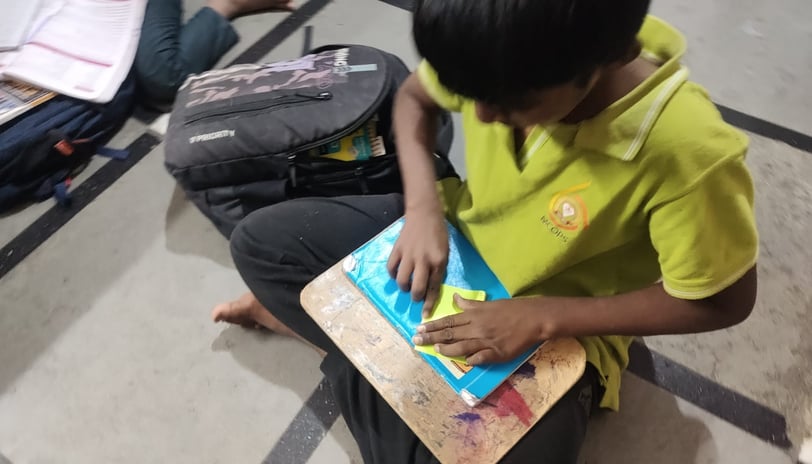
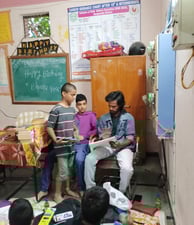
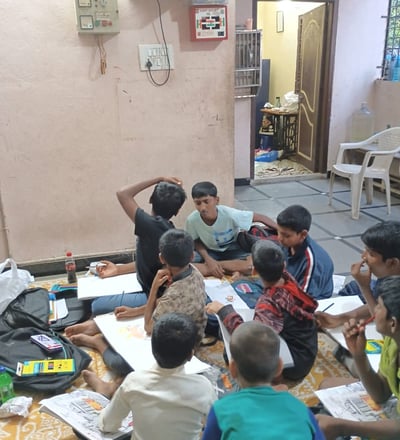
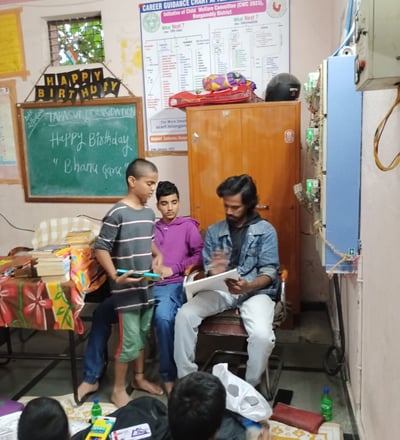
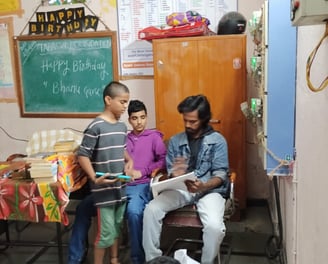
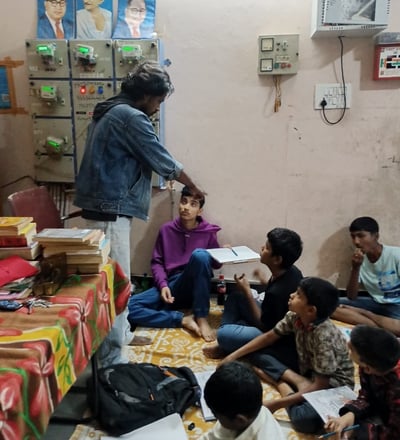
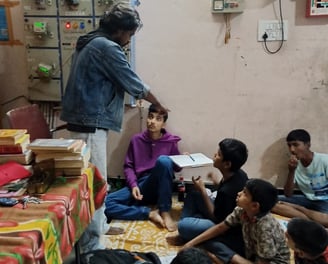
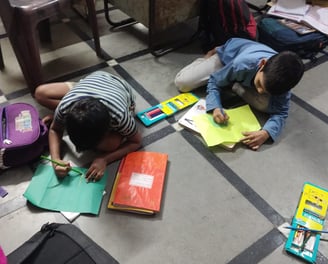
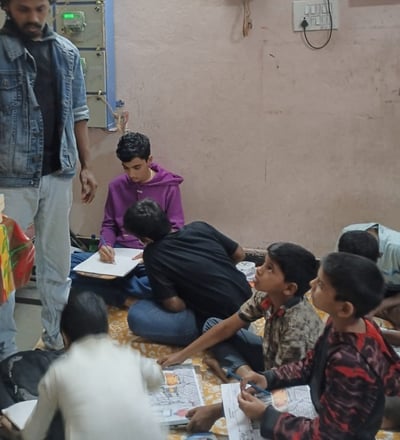
It was the opportunity to teach orphaned children different forms of art, such as painting, drawing, and sculpture at Tapasvi Foundation in Hyderabad . Despite their tough circumstances, the kids were fully engaged in the lessons. They didn’t just learn the techniques; they found joy in expressing themselves creatively, and it helped them feel more confident and connected to their inner thoughts and emotions.
How Our Efforts Helped
It was an opportunity to teach orphaned children different forms of art, such as painting, drawing, and sculpture. Despite their tough circumstances, the kids were fully engaged in the lessons. They didn’t just learn the techniques; they found joy in expressing themselves creatively, and it helped them feel more confident and connected to their inner thoughts and emotions.
Drawing
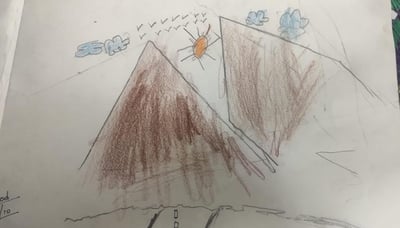
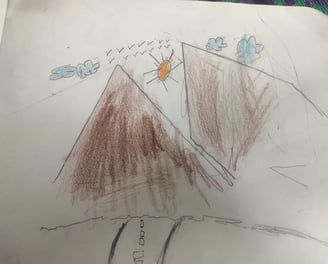
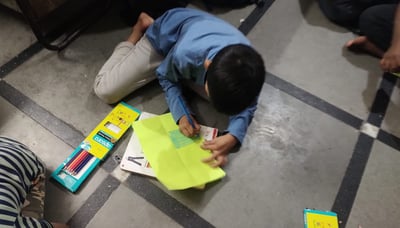
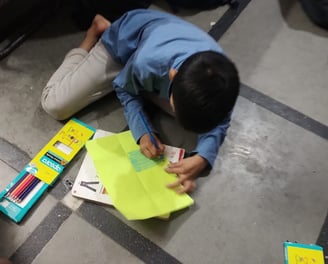
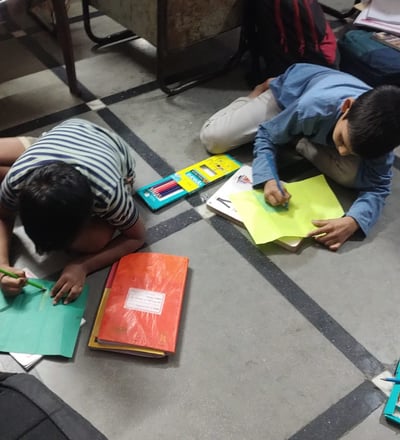
Drawing and coloring have provided significant benefits to urban orphaned kids living in orphanages by offering them a means of self-expression, emotional healing, and skill development. These activities help children channel their emotions, whether it's joy, sadness, or anger, onto paper, which can be particularly beneficial for those who may struggle to verbalize their feelings due to trauma or uncertainty.
Engaging in drawing and coloring enhances cognitive development, as it encourages creativity, problem-solving, and concentration. The act of choosing colors, creating shapes, and working on a project from start to finish builds confidence and a sense of accomplishment. It also strengthens fine motor skills, as kids practice holding pencils, markers, and brushes, improving their hand-eye coordination.
Moreover, drawing and coloring can be a therapeutic escape, providing a sense of calm and relaxation. For children facing a difficult environment, these creative activities offer a temporary break from stress and can help them feel more in control of their emotions. When done in groups, it fosters social connections, allowing kids to bond and communicate non-verbally, which is especially important for those who may feel isolated or disconnected.
Ultimately, drawing and coloring serve as both a creative outlet and a healing tool for orphaned children, promoting their emotional well-being, boosting their self-esteem, and supporting their overall development.
Paper Crafts
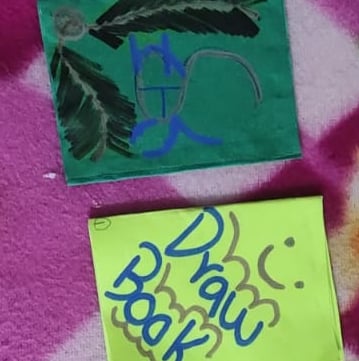
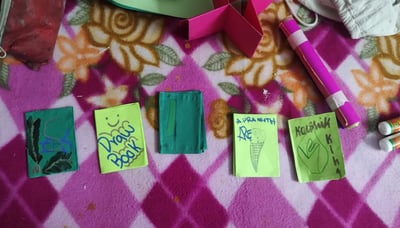
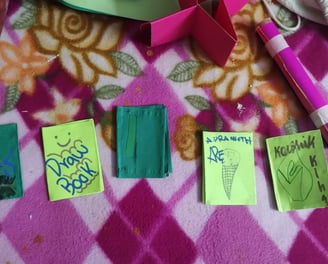
Making paper crafts, such as a picture accordion book, offers orphaned children valuable emotional, cognitive, and social benefits. These activities allow children to express their feelings and process trauma in a creative, structured way, helping them heal. The process also fosters creativity, as they design their own stories and illustrations, boosting their imagination and problem-solving skills.
Additionally, creating paper crafts helps develop fine motor skills, coordination, and the ability to follow instructions. Completing projects like the accordion book builds self-esteem and confidence, as children take pride in their finished work. When done in groups, it promotes social bonding, teamwork, and a sense of community. Overall, making paper crafts provides children with a therapeutic outlet for self-expression, emotional growth, and personal empowerment.
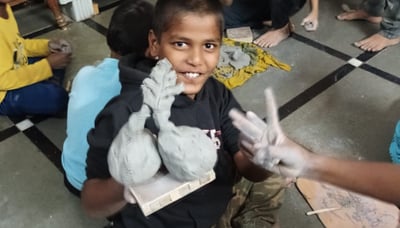
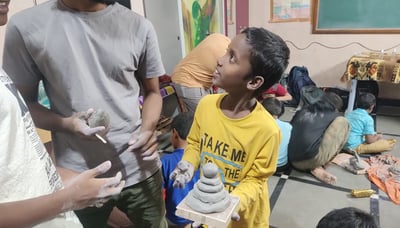
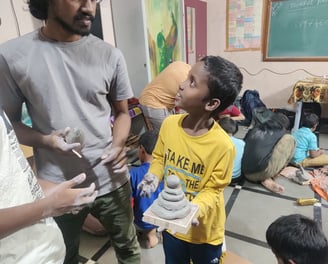
Making in clay
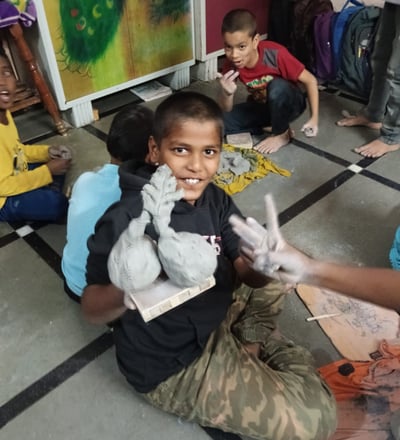
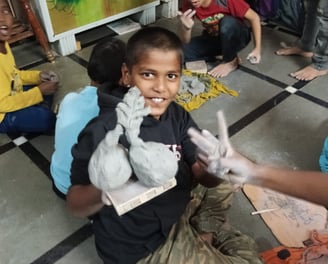
Making in clay has proven to be a powerful tool for the emotional and psychological development of urban orphaned kids living in orphanages. Engaging with clay provides these children with a creative outlet, allowing them to express emotions and experiences that might otherwise be difficult to articulate. The tactile nature of clay helps them develop fine motor skills, boosts their concentration, and fosters a sense of accomplishment when they create something tangible.
Clay activities also offer a form of therapy, reducing stress and providing a calming effect. For many children in orphanages, whose lives might be filled with uncertainty and trauma, the act of molding and shaping clay can create a sense of control and stability, helping them to process and heal from their past experiences. The social aspect of clay making, when done in group settings, can build friendships and a sense of community, fostering teamwork and collaboration.
Ultimately, working with clay is not just an art activity but a means for these children to reconnect with their inner selves, build resilience, and imagine brighter futures.

Community Feedback

Vardhan Raj (Artist)
The community art project is a wonderful initiative that aims to inspire individuals to think creatively and engage with their surroundings. By providing a platform for artistic expression, it encourages collaboration and connection among participants. This project not only enhances individual creativity but also strengthens community bonds. Through various workshops and events, people of all ages can explore their artistic talents and share their unique perspectives. The positive impact of this project is evident in the smiles and enthusiasm of those involved. Join us in this journey to reignite the spark of creativity in our society and make art accessible to everyone!
Our Process
Creative Steps
1
2
Community Involvement
3
Artistic Growth

We begin by engaging local artists and community members to brainstorm ideas that inspire creativity and collaboration, fostering a vibrant environment for artistic expression.
Through workshops and events, we encourage participation from all ages, ensuring that everyone has a voice in shaping the project and contributing to the community's artistic landscape.
Our goal is to cultivate a culture of creativity, where individuals feel empowered to explore their artistic potential and share their unique perspectives with others.
To Conclude...
This art program helped the children become more confident, gave them a fun hobby, and taught them how to solve problems. It made them realize that they could create beautiful things, no matter where they come from. By improving the program with more supplies, classes, and chances to show their work, we can help even more kids discover the joy of art and creativity. It’s a small but powerful way to change lives for the better!
Get in Touch
We'd love to hear from you! Reach out to us for inquiries, collaborations, or to share your ideas about fostering creativity in our community art project.